Ghent Weekend Market Math Favors Friday Fish Over Saturday Waffle Lines
Ghent is a city that rewards early risers, especially on Fridays. While most visitors plan their weekend around Saturday waffles and canal strolls, the Vismarkt on Friday offers better food with shorter lines. I learned this the hard way on my first trip, standing in a 40-minute waffle line under a grey sky while locals breezed past with paper cones of fresh kibbeling. The math is simple: Friday fish beats Saturday waffles every time. Here is why, and how to make the most of it.
Friday Fish Market: Why 9 AM on a Weekday Beats the Weekend Crowd
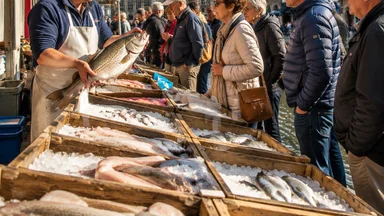
The Vismarkt operates Friday mornings only, from roughly 7:00 to 13:00. By 9:00, the first wave of locals has already come and gone, clutching bags of freshly filleted sole and cod. The stalls are set up along the Graslei and Korenlei, under the shadow of the Belfry. This is not a tourist market; it is a working fish market that has been running for centuries. The selection is staggering: North Sea shrimp, eel, herring, mackerel, and the day's catch from Zeebrugge.
Kibbeling — battered and fried cod chunks — is the star. Locals queue for it before 10:00, when the oil is still clean and the batter is crisp. After 10:30, the lines grow, and the fish has been sitting out longer. The price is around €5–7 per portion, cash only. No samples are offered, so you have to judge by sight: the gills should be bright red, the eyes clear, and the flesh firm. If a stall has a pile of pre-cut fillets that look dull, move on.
Cash is still king at the Vismarkt. Most stalls do not accept cards, and the nearest ATM is a 10-minute walk away at the Vismijn. I carry €20–40 in small bills. Vendors are happy to make change for a €10 note, but €50 notes can be a problem. The market is not huge — you can walk the length of it in 15 minutes — but the quality varies. The stall closest to the Sint-Michielsbrug tends to have the freshest selection, because it is the first to unload the morning delivery.
Weekend waffle lines start forming by 11:00 on Saturdays, just as the fish market is winding down. That is the moment to buy your kibbeling, find a bench by the canal, and watch the crowds arrive. You will have saved at least an hour of standing around, and your lunch will be far superior to anything served from a waffle cart.
The Waffle Trap: Saturday Mornings Are a Misstep
Saturday morning in Ghent is synonymous with waffles, but the reality is a trap. The most famous stalls — Chez Fred on the Groentenmarkt, and a handful of carts near the Belfry — draw lines that exceed 30 minutes at peak. A single waffle costs around €4–6, but add whipped cream, chocolate, or fruit, and the price can jump to €8–10. Some vendors charge a hidden fee for toppings, so the final bill is often higher than the posted price — a practice noted in a 2025 Condé Nast Traveler piece on Belgian street food trends.
The wait is the real cost. At 11:00 on a Saturday, the queue for Chez Fred snakes around the corner. By 13:00, it is even worse. The waffles themselves are decent — light, crispy, dusted with powdered sugar — but they are not worth the time investment. Meanwhile, Max's Ice Cream cart, just two blocks away on the Korenmarkt, offers a fresh-made waffle cone with gelato for about the same price, with no line. The quality is comparable, and you get a cold treat on a warm day.
The touristy stalls on the Groentenmarkt are especially problematic. They cater to bus tours and charge premium prices for pre-made waffles that have been sitting under a heat lamp. Locals avoid these entirely. If you must have a waffle, seek out a small bakery like Bloemeke on the Vrijdagmarkt, where you can buy a fresh Liege waffle for around €2, still warm from the iron. The trade-off is that you have to eat it standing up, but the taste is superior.
The bottom line on waffles: do not plan your Saturday around them. Treat them as a spontaneous snack, not a destination. If you find yourself in a line longer than 10 people, walk away. The city is full of better options.
Hygiene Shortcuts Locals Actually Use
Online reviews can be misleading. A stall with hundreds of five-star ratings might still serve fish that has been sitting out too long. Locals use a different set of cues. At the Vismarkt, the first thing they check is the gills: bright red means fresh, brown or grey means old. They also look at the eyes — clear and bulging is good, sunken or cloudy is bad. These checks take two seconds and are far more reliable than any Yelp review. For fried food, the oil color is key. Clean oil is pale gold; dark amber or brown means it has been reused too many times. The same applies to waffle irons: a clean, well-maintained iron produces a consistent golden-brown waffle. If you see blackened bits on the iron or in the oil, move on. Another trick: the toothpick test. Stick a toothpick into the batter of a fried fish piece. If it comes out clean and the batter is crisp, the oil was hot enough. If it is greasy or soggy, the oil was too cool or old. At butcher counters in the Bijloke market, locals ask for 'vers' (fresh) and watch to see if the butcher handles the meat with gloves or tongs. Stalls that use bare hands are avoided. Fly nets are another indicator: if uncovered fish has flies on it, the stall is not serious about hygiene. In the summer, flies are a problem at outdoor markets, and the best stalls use mesh covers or glass displays. These cues are not foolproof, but they reduce the risk. I have been using them for years and have never had a bad meal at the Vismarkt. The same cannot be said for the waffle carts, where hygiene is more about the cart's general cleanliness than the food itself. A clean cart with a tidy setup is a good sign; a cart with sticky counters and overflowing trash is not.
Payment Realities: Card or Cash at Each Market
Payment methods vary drastically between Ghent's markets, and getting caught without the right currency can ruin a meal. The Vismarkt is almost entirely cash-only. I have seen tourists fumble with cards at a fish stall, only to be turned away. The nearest ATM is at the Vismijn, a 10-minute walk east. Plan ahead: withdraw cash before you arrive. The market does not have a central payment point.
The Bijloke market, held on Saturdays, is more card-friendly. Roughly 60% of stalls accept debit or credit cards, especially the food trucks and cheese vendors. However, a surcharge of €0.50–1.00 is common for card payments, so cash still saves money. The weekend food trucks near the Sint-Pietersplein also take cards, but they often impose a minimum spend of €10. For a single waffle or a cone of fries, that minimum is annoying.
Waffle carts are a mixed bag. Many are cash-only after 14:00, when the card machine battery dies or the vendor decides it is not worth the fee. If you plan to buy a waffle in the afternoon, have cash ready. I keep a stash of €5 and €10 notes specifically for this. The carts near the Belfry are the worst offenders; they will take card in the morning but switch to cash-only by early afternoon.
The simplest strategy is to carry cash in small bills at all times. That covers a fish lunch, a waffle, and a beer at a cafe. Most bars and restaurants take cards, but for market food, cash is the default. Do not rely on your phone for contactless payments; the market stalls are not always connected to the network.
Timing Your Visit: The 11 AM Lull and the 2 PM Rush
Timing is everything in Ghent's markets. The Friday Vismarkt restocks around 11:30, just as the morning crowd thins out. That is the sweet spot: the fish is fresh, the vendors are less harried, and you can take your time choosing. By 12:30, the stalls start packing up, and the selection dwindles. Arrive at 10:45 to catch the restock and have first pick of the new catch.
Saturday waffle chaos peaks between 13:00 and 15:00. That is when the day-trippers from Brussels and Antwerp arrive, and the lines stretch to 30 minutes or more. If you must have a waffle on Saturday, go before 11:00 or after 15:00. The carts near the Belfry are busiest; those on the outskirts of the city center have shorter waits. The trade-off is that the outlying carts may have a smaller selection.
The Sunday market at the Bijloke closes early, by 13:00. It is a smaller affair, focused on organic produce and local cheese. The food trucks are few, and the waffle carts are absent. It is a good option for a quiet morning, but not for a full meal. The Vismarkt does not run on Sunday, so plan accordingly.
Local tip: the 11:00 lull on Friday is also the best time to grab a beer at a nearby cafe. The crowds are sparse, the sun is warm, and you can enjoy your kibbeling with a view of the canal. By 12:00, the tables fill up, but you will already be settled in.
What to Eat (and What to Leave Behind)
Kibbeling with remoulade is a must. The best version I have found is at the stall run by the family from Zeebrugge, third from the left on the Vismarkt. The batter is thin and crispy, the fish is flaky, and the remoulade is tangy with capers. A portion costs around €6 and is enough for a light lunch. Pair it with a local beer from the nearby 't Dreupelkot, a jenever bar that also serves Belgian ales.
Gentse waterzooi is a traditional creamy fish stew that is available at restaurants like De Graslei. It is not a market food, but it is worth seeking out for a sit-down meal. The version at De Graslei is rich with vegetables and fresh cream, served with bread. Prices are around €15–20, which is reasonable for a main course in a tourist area.
Avoid the pre-packaged waffles sold on the Groentenmarkt. They are mass-produced, wrapped in plastic, and taste like cardboard. Fresh herring from the Vismarkt is a better choice: raw, with onions and pickles, for about €3. It is an acquired taste, but locals swear by it. If you want cheese, head to the Bijloke market on Saturday, where the fromagerie stall offers samples of aged Gouda and local Ghent cheeses. The tourist shops in the city center sell the same cheese at double the price.
What to leave behind: the frozen fish fillets that some stalls try to pass off as fresh. They are usually stacked in a cooler, not on ice, and have a uniform shape that gives them away. Stick to whole fish or fillets that are clearly cut from a larger piece. The same goes for pre-made waffle batter: if it comes from a jug, it is probably not fresh. The best stalls mix the batter on-site.
Beyond the Markets: Other Food Options in Ghent
If you find yourself in Ghent on a Saturday and the waffle lines are unbearable, consider alternatives. The Patershol neighborhood, a short walk from the city center, is packed with small restaurants serving everything from Italian to Moroccan. Try De Superette for a modern take on Belgian classics, or Amatsu for Japanese ramen — both are popular with locals and rarely have queues. For a quick bite, the frites stalls at the Vrijdagmarkt offer excellent Belgian fries with a choice of sauces, around €3–4 a cone. These are a better use of your time than waiting for a waffle.
Another option is to visit the Ghent University botanical garden or the STAM city museum, then grab lunch at a bakery like Le Pain Quotidien on the Korenmarkt. Their sandwiches and salads are fresh, and the prices are reasonable. For dinner, book a table at De Graslei for the waterzooi mentioned earlier, or try 't Zwarte Goud for a cozy atmosphere and local beer pairings.
If you are on a budget, the supermarkets like Delhaize or Colruyt have decent ready-made sandwiches and salads, and you can picnic along the canal. This is a common sight on sunny weekends, and it saves both money and time.
Counter-Arguments: When Waffles Might Be Worth It
Not everyone will agree that Friday fish always beats Saturday waffles. Some travelers prioritize the Instagram-worthy waffle experience, and for them, the line is part of the ritual. If you have never had a Belgian waffle from a street cart, the novelty might justify the wait. The waffles at Chez Fred, for example, are undeniably good — light, airy, and perfectly caramelized. The hidden fees are annoying, but if you stick to a plain waffle with powdered sugar, the cost stays around €4.
Another counter-argument: the Vismarkt is only open on Friday mornings, which may not fit everyone's schedule. If you are in Ghent only on a weekend, you simply cannot visit the fish market. In that case, the Saturday waffle carts or the Bijloke market are your only options. The key is to go early — before 11:00 — to avoid the worst lines. And if you are traveling with children who insist on waffles, the wait might be a small price for a happy family.
Finally, some visitors enjoy the bustling atmosphere of the Groentenmarkt on a Saturday, even if the waffles are overpriced. The energy, the street performers, and the crowds can be part of the fun. For them, the market math is not just about efficiency but about experience. That is a valid perspective, even if it is not mine.
The Bottom Line: One Market, Two Strategies
Ghent's weekend market math is simple: the Friday fish market saves you time and money, while the Saturday waffle lines waste both. Cash is king, but card works as a backup. Hygiene cues like gill color and oil clarity are more reliable than online reviews. Plan your arrival around the 11:00 restock for the best picks. The waffle carts are a trap; skip them or go early.
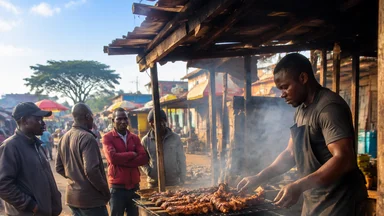
This is not to say that Saturday has nothing to offer. The Bijloke market is a pleasant morning outing, and the waffles at Max's Ice Cream cart are genuinely good. But the Vismarkt is the standout experience — a living piece of Ghent's culinary heritage that rewards those who bother to show up on a Friday. For similar market math in other cities, see our guides to Nairobi's nyama chai stalls and Puebla's tortilla vendors. Both follow the same principle: early is better, cash is safer, and the best food is often the least hyped.
Ultimately, the choice depends on your priorities. If you value efficiency, fresh seafood, and a quieter experience, the Friday Vismarkt is the clear winner. If you are after a classic tourist moment and have time to spare, the Saturday waffle scene has its charms. Either way, knowing the market math helps you decide with your eyes open.