Mysore Mylari Dosa Queue Math Favors 7 AM Window Over 10 AM Wait
Mysore's Mylari Dosa attracts early risers for good reason. The queue outside Mylari Hotel starts forming by 6:30 am, and the difference between arriving at 7 am versus 10 am can mean a 15-minute wait or an hour of standing in the heat, possibly to find a sold-out sign. The math is simple: early birds get the freshest dosa, latecomers gamble with leftover batter. This feature explains why the 7 am window is worth setting an alarm, then lays out a humane itinerary for 3, 7, or 14 days in and around Mysore, focusing on street-food logistics, payment realities, and hygiene cues that locals actually use.
Mysore's Mylari Dosa Draws a Pre-Dawn Crowd for a Reason
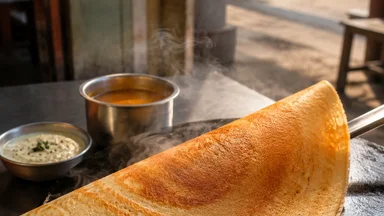
Mylari Hotel, a small eatery near the Mysore Palace, has been serving dosas for decades. The specialty is a soft, spongy dosa, slightly thicker than the crisp version popular elsewhere, served with coconut chutney and a thin sambar. Locals swear by the 7 am window. At that hour, the batter is freshly ground, the griddle is hot, and the cook works steadily through a line of about 15–20 people. The wait is rarely more than 15–20 minutes, and you get a dosa straight off the pan.
Regulars estimate that 300–400 dosas are sold before 9 am. The kitchen operates in batches, and the first batch—from around 6:30 to 9:30 am—is considered the best. After that, the batter sits longer, and the cook may reuse leftover batter from earlier batches. Locals say the texture changes, and the sambar can thin out. For a first-time visitor, the 7 am experience is the one that matches the legend.
By 10 am, the queue can stretch to 30–40 people, and the wait often hits 45–60 minutes. The mid-morning heat in Mysore—even in winter, temperatures climb to around 28–30°C by 10 am—makes standing in line uncomfortable. There is no shade outside Mylari Hotel; the queue snakes along the narrow footpath. Regulars bring umbrellas or hats. The kitchen slows down after 9:30 am, and latecomers often face sold-out signs by 11 am. On busy weekends, the dosa can run out by 10:30 am.
The trade-off is clear: a slightly earlier wake-up saves you at least 30 minutes of waiting and gets you a better product. For travelers who value sleep over dosa, the 10 am window is a gamble. Some visitors report that the second seating—around 11 am, if the kitchen restarts—uses a new batch of batter, but the consistency varies. Locals recommend the 7 am window without hesitation. As one regular put it, "If you come after 9, you're eating yesterday's dosa."
Why the 10 AM Gap Wastes Your Morning
The 10 am gap is not just about queue length; it is about kitchen rhythm. Mylari Hotel operates in two main shifts: the early morning rush from 6:30 to 9:30 am, and a second round starting around 11 am after a short break. The gap between 9:30 and 11 am is a dead zone. The cook cleans the griddle, prepares fresh batter, and restocks chutney. If you arrive at 10 am, you are caught in the transition: the first batch is gone, the second batch is not ready, and you may be told to wait 30 minutes for the next round. Even if the kitchen serves continuously, the quality dips during the gap. The coconut chutney, made fresh each morning, starts to oxidize by mid-morning. The sambar, kept warm on a stove, thickens and loses its delicate spice balance. Locals who eat at Mylari regularly avoid the 10 am slot. They either come early or wait for the 11 am refresh. For a tourist with a limited schedule, the 10 am arrival is a trap: you waste an hour in line for a dosa that is not as good as the 7 am version.
The heat adds to the frustration. Mysore's temperature rises steadily from 6 am to 10 am, and by 10:30 am, the sun is directly overhead. The queue offers no shelter. Some visitors bring water bottles, but there is no place to sit. The footpath is narrow, and passersby jostle. For families with children, the 10 am wait is particularly taxing. The 7 am window, by contrast, is cool and calm. The street is quiet, and the queue moves quickly.
There is also a practical consideration: after a 10 am dosa, you have missed the morning slot for visiting Mysore Palace, which opens at 10 am. By the time you finish eating (around 11:15 am if you queued at 10 am), the palace is crowded with tour groups. The 7 am dosa, finished by 7:30 or 8 am, leaves you plenty of time to reach the palace before the peak hours. The math extends beyond the queue: it affects your entire day.
Street-Food Payment Realities Most Guides Skip
Mylari Hotel accepts cash only. No cards, no UPI, no digital wallets. This is true for most traditional street-food stalls in Mysore. The dosa costs roughly ₹30–50 per plate (as of late 2024), and a full meal with extra chutney and a second dosa might run ₹100–150. You need small denominations. Vendors often lack change for ₹500 notes, which are common in Indian ATMs. The nearest ATM is about a 5-minute walk from Mylari Hotel, but it charges a fee of around 3% for non-bank users, and it often runs out of cash on weekends.
Keep a stash of ₹100 and ₹50 notes. Break larger notes at a nearby shop before joining the queue. Some travelers use the hotel's own change service, but it is unreliable. Digital wallets like Google Pay or PhonePe are widely used in India, but traditional eateries like Mylari Hotel do not accept them. The owner prefers cash because it avoids transaction fees and keeps the accounting simple. For a tourist, this means carrying a modest amount of cash for each day's food stops.
Beyond Mylari, the Devaraja Market—Mysore's main produce and spice market—is also cash-heavy. Most stalls accept digital payments now, but smaller vendors prefer cash. The market's busy hours (8 am to 12 pm) see heavy foot traffic, and haggling is expected. Carry a mix of small notes and a few larger ones for bulk purchases like spices or sandalwood products. ATMs in the market area charge around ₹200–250 per transaction for international cards, so it is cheaper to withdraw a larger sum once from a bank branch.
One tip: exchange currency at a bank or authorized dealer in Mysore rather than at Bengaluru airport, where rates are roughly 2–3% worse. Banks in Mysore offer competitive rates, and you can often negotiate for better rates on larger amounts (over US$ 500). Stick to banks or licensed exchange outlets near KR Circle.
Three Hygiene Cues Locals Actually Trust
Street-food hygiene guides often list generic advice like "eat where locals eat" or "avoid raw vegetables." Locals in Mysore use more specific cues. First, they watch the cook's hands and utensils. A good stall uses separate utensils for handling raw batter and cooked dosa. If the cook touches money with one hand and then handles the dosa with the same hand, locals walk away. At Mylari Hotel, the cook uses a metal spatula to flip dosas and a separate ladle for chutney, and he washes his hands after handling cash. This is a positive sign.
Second, locals check the water source. If the stall uses a filtered water dispenser or boiled water for drinking and washing utensils, it is safer. Mylari Hotel has a filter on the tap used for washing grinding stones. Some stalls use unfiltered tap water, which can cause stomach issues for visitors. A simple test: if the water is stored in a covered container and poured from a height, it is likely filtered. If it comes from an open bucket, skip it.
Third, the smell of oil. Fresh oil has a neutral or slightly nutty smell. Reused oil smells burnt or rancid. At busy stalls with high turnover, oil is changed frequently. At Mylari, the dosa batter is cooked on a griddle that is wiped clean between batches, and the oil used for the griddle is fresh each morning. Stalls that reuse oil for hours—especially for deep-fried items like vada or bonda—can give off a stale odor. If the oil smells acrid, the batch is old, and the food may be greasy or cause digestive upset.
One more cue: the presence of flies. A stall with flies around uncovered chutney or sambar is a red flag. At Mylari, chutney is kept in covered steel bowls, and the sambar pot has a lid. The serving area is clean and swept regularly. This is not always the case at smaller stalls around Devaraja Market. If you see flies landing on food, move on. High turnover does not automatically mean cleanliness; it means the food moves fast, but hygiene still depends on the stall's practices.
A Humane 3-Day Mysore Itinerary Beyond Dosa
A 3-day trip to Mysore can be relaxed if you pace yourself. Day 1: Start with Mylari Dosa at 7 am. By 8 am, head to Mysore Palace, which opens at 10 am. Use the extra time to walk around the palace grounds, which are quiet before the crowds. The palace is open until 5:30 pm, but the best hours are 10 am to 12 pm, before the tour buses arrive. Admission costs around ₹100 for Indians and ₹500 for foreigners (as of late 2024). Skip the audio guide; the signage is adequate. After the palace, grab lunch at a local Udupi restaurant near the palace gate—expect a thali for roughly ₹150–200. Rest at your hotel during the afternoon heat (2–4 pm), then visit the Brindavan Gardens in the evening for the musical fountain show (entry around ₹50).
Day 2: Take a morning trip to Srirangapatna, about 20 km from Mysore. Buses run roughly every 30 minutes from the Mysore bus stand (fare around ₹30–50). Visit the Ranganathaswamy Temple (free entry) and the Daria Daulat Bagh (summer palace, entry ₹100). Have lunch at a local eatery near the temple; the dosa here is not as good as Mylari, but the thali is decent. Return to Mysore by 3 pm, rest, and then explore the Devaraja Market in the late afternoon (4–6 pm) when it is less crowded. Buy spices or sandalwood products; haggling is expected.
Day 3: Hike up Chamundi Hill early (start by 6 am to avoid heat). The walk takes about 45–60 minutes from the base, or you can take a bus. At the top, visit the Chamundeshwari Temple (free, but expect queues). The view over Mysore is worth the climb. Descend by 9 am, then have a second breakfast at a smaller dosa stall near the hill base—try the set dosa at Hotel RRR, a local favorite. Spend the afternoon at the Mysore Zoo (entry around ₹100) or the Railway Museum (entry ₹50). Depart in the evening. This itinerary includes 2–3 food stops per day with rest breaks, avoiding the 12–2 pm peak heat window.
However, this schedule has trade-offs. The 7 am starts can be tiring, especially after late nights. If you are not a morning person, consider skipping the early hike on Day 3 and instead visiting Chamundi Hill by bus later in the morning—though you will face larger crowds and hotter temperatures. Similarly, the afternoon rest period is essential; without it, you risk heat exhaustion. Some travelers prefer to swap Day 2's Srirangapatna trip for a relaxed morning at a cafe, but you will miss a key historical site. The itinerary balances ambition with realism, but it is not for everyone.
Week-Long Pace Lets You Explore Nearby Towns
With 7 days, you can add day trips to Nagarahole National Park and Somnathpur. Day 4: Take a bus or hire a taxi to Nagarahole (about 90 km, 2.5 hours by bus). The park is open from 6 am to 6 pm, and jeep safaris cost around ₹1,500–2,000 per person (as of late 2024). Book ahead during peak season (October–March). Return to Mysore by evening. Day 5: Visit Somnathpur (35 km, 1 hour by bus) to see the Chennakesava Temple, a stunning Hoysala architecture site. Entry is ₹100 for foreigners. After the temple, join a rural cooking demo at a local homestay (around ₹500–800 per person), where you can learn to make dosa batter or sambar. Day 6: Spend a quiet day in Mysore—visit the Karanji Lake (entry ₹50) or the Jaganmohan Palace Art Gallery (entry ₹100). Repeat Mylari Dosa at 7 am on your final day (Day 7) for a farewell dosa. Stay near KR Circle for walkable access to most attractions; budget hotels cost around ₹1,500–2,500 a night, mid-range around ₹3,000–5,000.
Bus frequencies for nearby towns are roughly every 30–60 minutes from the Mysore bus stand. For Nagarahole, the earliest bus leaves at 6:30 am; for Somnathpur, buses run from 7 am. Renting a scooter for a day costs around ₹500–800 and gives flexibility, but traffic in Mysore can be chaotic. Stick to buses for longer trips. The week-long pace allows for rest days, and you can adjust based on weather. The monsoon (June–September) sees fewer crowds but occasional rain; winter (October–February) is ideal.
A counterpoint: the week-long itinerary adds travel fatigue. The day trip to Nagarahole involves 5 hours of bus travel round trip, which can be draining. If you prefer a slower pace, consider skipping Nagarahole and instead spending two days in Mysore with a cooking class and a heritage walk. The trade-off is missing wildlife, but you gain relaxation.
Two-Week Window Opens Coastal and Hill Options
With 14 days, you can combine Mysore with the coast (Mangalore) or the hills (Coorg). Week one: follow the 7-day itinerary above. On day 8, take a train from Mysore to Mangalore (around 6–7 hours, fares roughly ₹300–500 in sleeper class, ₹1,000–1,500 in AC). Mangalore offers beaches like Panambur and Tannirbhavi, and seafood thalis for around ₹200–300. Spend 3–4 days there, then head to Coorg (about 4 hours by bus from Mangalore). Coorg coffee estate stays cost around ₹2,000–4,000 a night and include plantation walks and home-cooked meals. Alternatively, from Mysore, you can take a direct bus to Coorg (around 3 hours, fare ₹150–200).
In Coorg, visit Abbey Falls (entry ₹50), Dubare Elephant Camp (entry ₹500), and the Tibetan settlement at Bylakuppe. The hill station is cooler than Mysore, with temperatures around 15–25°C even in summer. Day 12–13: Return to Mysore for your final day. On day 14, take a bus or train to Bengaluru (about 3 hours by bus, fare ₹200–300) for your return flight. Bengaluru airport has lounge access for around ₹1,500–2,000, and domestic flights are frequent. The two-week window is humane: you travel at a moderate pace, with rest days built in.
One practical tip: if you plan to visit both Mangalore and Coorg, book bus tickets in advance, especially during December–January when tourist traffic peaks. The journey from Mangalore to Coorg involves winding roads; if you are prone to motion sickness, take medication beforehand. Alternatively, skip Mangalore and spend the entire second week in Coorg for a deeper immersion in coffee culture and nature walks.