Thailand Ko Lipe Shoulder Season Math Favors November Ferry Slots Over December Speedboat Surge
Every year, the same advice circulates: Ko Lipe is best from December to March. The guidebooks, the travel blogs, the Instagram captions—they all point to high season as the only window worth considering. But after spending time on the island in both November and December, I've come to believe the conventional wisdom is exactly backward. The real sweet spot is November, when the ferry schedule still runs reliably, the sea is warm and calm, and accommodation prices haven't yet been jacked up by the holiday rush. December, by contrast, brings bigger swells, higher prices, and a surge of tourists that strains the island's infrastructure. This article walks through the math—ferry versus speedboat, November rain versus December rain, bungalow prices, flight costs—and makes the case for shifting your trip by just a few weeks.
The Brochure Says High Season Starts in December. The Ferry Schedule Says Otherwise.
Travel brochures and online guides typically mark December as the start of Ko Lipe's high season, citing the end of the monsoon and the arrival of dry, sunny weather. But a closer look at the ferry schedule tells a different story. The primary ferry operator, Tiger Line, runs daily departures from Pak Bara pier to Ko Lipe from October through May, with the most frequent sailings in November—roughly five or six per day. In December, the number of departures stays similar, but the boats are often fully booked by tour groups, leaving individual travelers scrambling for last-minute seats.
Speedboat operators, which are more susceptible to sea conditions, begin canceling trips when waves exceed two meters. According to local captains I spoke with, December swells in the Andaman Sea regularly hit 1.5 to 2.5 meters, especially after the first week of the month. November, by contrast, sees calmer seas—typically under 1.5 meters—meaning speedboat cancellations are rare. The result is that November offers more reliable connections, with fewer disruptions and less stress.
One traveler I met in a guesthouse on Sunrise Beach had booked her trip in November after a friend's horror story of a December speedboat ride that left everyone seasick and delayed. She saved roughly 40% on her bungalow by booking in late October for a mid-November stay. "The hotel was almost empty," she said. "I had my pick of rooms." That kind of leverage is unheard of in December, when most properties report occupancy rates above 80% by the 15th.
The ferry schedule itself doesn't change dramatically between the two months, but the demand does. In November, walk-up passengers can usually buy a ticket the day before. In December, advance booking is essential, and even then, the popular morning departures sell out. The lesson is simple: if you want a seat without the scramble, November is the smarter bet.
Another operator, Bundhaya Speedboat, also runs services from Pak Bara. In November, they typically offer four to five daily departures, with plenty of availability. In December, they add extra runs but still often sell out, especially around Christmas. The added capacity doesn't fully offset the demand surge, and prices for speedboat tickets can rise by 10–20% in December compared to November. For a family of four, that difference adds up quickly—an extra US$ 15–30 on transfers alone.
Why November's 28°C Sea Is Warmer Than December's Crowds
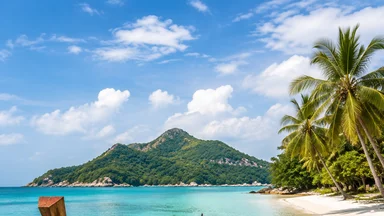
Sea temperature around Ko Lipe peaks in November at around 28°C, a degree or two warmer than December. That may not sound like much, but for snorkelers and swimmers, it makes a noticeable difference—especially on early-morning trips when the air is still cool. The warmer water also extends the comfort window for longer snorkel sessions at sites like Jabang Rock and Hin Ngam.
Coral visibility is another factor. November's calmer seas mean less sediment stirred up by wind and waves. Snorkel operators report that visibility often exceeds 15 meters in November, compared to 10 meters or less in December after a few days of swell. The difference is stark when you're trying to spot sea fans or reef fish. I remember one November afternoon at Koh Adang's west side where the water was so clear I could see the bottom at 12 meters without straining.
Snorkel tour operators run full-day trips in November, taking advantage of the stable weather. In December, many switch to half-day schedules because afternoon winds pick up and make the return crossing uncomfortable. The full-day trips are better value—roughly US$ 30–40 per person including lunch—and allow you to visit multiple sites without rushing. Half-day trips in December cost about the same but cover fewer spots, so you get less for your money.
Crowds are the other variable. According to Tourism Authority of Thailand data, December sees roughly three times the number of tourists on Ko Lipe compared to November. That means more people on the beaches, more competition for longtail boats, and a general sense of busyness that undermines the island's appeal. If you're after a quiet escape, November is clearly superior. On Sunrise Beach in November, you might find only a dozen people spread along the sand; in December, that same stretch can be packed with sunbathers and vendors.
Diving conditions also favor November. The warmer water and calmer seas mean better visibility for divers exploring the reefs around Ko Lipe. Dive shops like Forra Diving and Castaway Divers report that November offers some of the best conditions of the year, with currents mild and marine life abundant. In December, stronger currents can reduce bottom time and make drift diving more challenging, especially for beginners.
The Speedboat Surge: Faster but Riskier When Swells Build
Speedboats from Pak Bara to Ko Lipe take about 60–75 minutes, compared to the ferry's 90–120 minutes. That time saving is the main reason travelers choose speedboats, especially day-trippers. But the speed comes with trade-offs. In December, when swells build to 1.5–2.5 meters, speedboat hulls slam into waves, causing a jarring ride that leaves many passengers seasick. Local boat crews told me that December is their busiest month for handing out motion sickness bags.
The ferry, while slower, rides lower in the water and is less affected by surface chop. Its heavier displacement and deeper draft mean a smoother journey, even in moderate swell. The crossing takes roughly 90 minutes from Pak Bara, but the comfort difference is substantial. For travelers prone to motion sickness—or anyone who wants to arrive feeling fresh—the ferry is the better choice in both November and December, but especially in December when conditions are rougher.
Speedboat frequency is similar in both months, with departures roughly every hour from 7:00 AM to 2:00 PM. But in December, the boats are more likely to be delayed or canceled. I checked the Facebook page of a major operator in December 2024 and saw at least three days that week with cancellations due to weather. November, by contrast, had none. A traveler I spoke with in a café on Walking Street recounted how his December speedboat was delayed by two hours, then turned back halfway due to rough seas, forcing him to take a ferry the next day. He lost a full day of his vacation.
The irony is that many travelers book speedboats thinking they're saving time, but end up waiting at the pier for a delayed departure or enduring a rough crossing that cuts into their day. The ferry's reliability, even if it takes a bit longer, often results in more actual island time. For a similar analysis of timing and transit, see our article on Japan Suica card strategies.
Another consideration is luggage. Speedboats have limited storage space, and large suitcases may incur extra fees or be refused. Ferries, with their larger holds, accommodate bags more easily. In November, when crowds are thinner, this is rarely an issue. In December, you might find yourself jostling for space or paying extra to store your bag.
Accommodation Prices Tell the Real Story: November Wins at 30% Less
Accommodation is where the shoulder season math becomes most concrete. A standard beach bungalow on Sunrise Beach that goes for US$ 30–50 per night in November jumps to US$ 50–85 in December—a 50–70% increase. The same room, same location, same amenities. The price difference is driven purely by demand. Booking sites like Agoda and Booking.com show occupancy rates above 80% by December 15, with many properties fully booked over Christmas and New Year.
In November, walk-in bargaining power is real. I've seen travelers negotiate discounts of 20–30% by simply showing up and asking for the best rate. Owners are happy to fill rooms midweek, especially early in the month before the holiday buzz begins. One guesthouse owner on Pattaya Beach told me she charges US$ 40 in November and US$ 70 in December for the same fan bungalow. "November is quiet, so I'm flexible," she said. "December, I don't need to negotiate."
The savings extend to higher-end resorts too. A room at a beachfront resort that costs US$ 120 in November might be US$ 200 in December. For a week-long stay, the difference can easily exceed US$ 300. That's enough to cover flights from Bangkok or a few extra days on the island. Some resorts also offer early-bird discounts for November bookings, shaving another 10–15% off the rate.
Of course, some travelers prefer the festive atmosphere of December, with Christmas decorations and New Year's parties. If that's your priority, the premium may be worth it. But if you're looking for a quiet beach holiday with good value, November is the clear winner. For another example of off-peak travel math, see Portugal's Algarve in February.
There's also the option of staying on nearby islands like Koh Adang or Koh Rawi, which are less developed and even quieter in November. Some travelers combine a few nights on Ko Lipe with a camping trip on Koh Adang, where November's dry conditions make for comfortable tent stays. In December, these outer islands can be harder to reach as sea conditions worsen.
What the Guidebooks Don't Say About Rain Patterns on Ko Lipe
Guidebooks and travel sites often warn that November is still part of the rainy season in southern Thailand, with a higher chance of precipitation than December. But the data tells a more nuanced story. According to weather records from the Thai Meteorological Department, November averages 6–8 rainy days on Ko Lipe, while December averages 10–12. That's right: December is actually rainier in terms of frequency.
The difference lies in the type of rain. November showers tend to be short, intense bursts—often in the late afternoon or overnight—that clear quickly and leave sunny mornings. December rain is more likely to be prolonged, sometimes lasting half a day, due to the northeast monsoon's influence. I've spent days in December where the sky stayed gray until noon, while November mornings were reliably bright.
Ko Lipe's geography also plays a role. The island's Sunrise Beach, on the east side, benefits from a rain shadow effect: prevailing winds from the west drop most of their moisture on the western hills, leaving the east side drier. In practice, this means Sunrise Beach gets less rain than Pattaya Beach or the west coast, regardless of month. Many travelers don't realize this and end up booking accommodation on the wetter side. A savvy traveler I met had chosen a bungalow on Sunrise Beach specifically for this reason and enjoyed mostly dry days in early December, while friends on Pattaya Beach reported afternoon downpours.
Local longtail boat operators still run trips in light rain. They're used to it, and the snorkeling is often better after a brief shower because the surface calms. I've been out on a longtail in a light drizzle, and the fish were just as active. The key is to bring a waterproof bag and a positive attitude. For a deeper dive into timing strategies, check out Namibia's Etosha in May.
Another factor is humidity. November's relative humidity averages around 75%, while December's is slightly higher at 80%. That might not seem like much, but it affects how comfortable you feel during the day. Lower humidity in November means less stickiness, making it easier to stay active without feeling clammy.
Practical Math: Booking November Means More Island Time, Less Transit Stress
The cumulative effect of all these factors is a significant difference in total trip cost and experience. Let's run the numbers for a typical seven-day trip from Bangkok. In November, a round-trip flight to Hat Yai costs roughly US$ 60–80, compared to US$ 80–110 in December—a 20–30% saving. The combined ferry or speedboat transfer from Hat Yai to Ko Lipe (including van and boat) is about US$ 30–40 in both months, but in December you may need to book a more expensive speedboat because ferry slots fill up.
Accommodation for seven nights in a mid-range bungalow: US$ 280 in November (at US$ 40/night) versus US$ 490 in December (at US$ 70/night). Food costs are similar, though some restaurants add a 10% high-season surcharge in December. Total trip budget: roughly US$ 600 in November versus US$ 900 in December—a 33% saving. That's US$ 300 that could go toward a diving course, a trip to Koh Adang, or simply a better room.
Transit stress is harder to quantify but real. In December, you'll need to book everything in advance, deal with crowded piers, and potentially face delays. In November, you can book a few days ahead, walk onto a ferry, and arrive without hassle. The island itself is quieter, which means more space on the beach, shorter lines for food, and a more relaxed pace.
Let's also consider the cost of activities. Snorkeling tours in November are typically US$ 30–40 per person for a full day; in December, the same tour may cost US$ 40–50, and often runs a half-day instead. A diving course that costs US$ 300 in November might be US$ 350 in December. Kayak rentals on Sunrise Beach go for about US$ 10 per hour in November, but US$ 15 in December. These small differences add up over a week.
None of this is to say December is a bad time to visit Ko Lipe. The island is beautiful year-round, and if your schedule only allows December travel, you'll still have a great time. But the conventional wisdom that December is the best month deserves a second look. The shoulder season math strongly favors November—for your wallet, your comfort, and your peace of mind. Next time you plan a trip to Ko Lipe, consider pushing your dates back just a few weeks. The island will thank you, and so will your budget.